Jesus is Willing – Matthew 8:1-17

This passage includes multiple stories of Jesus healing. It comes immediately after the Sermon on the Mount, where Jesus focuses on the upside-down values of the Kingdom of God versus the glorification of strength in the world around. He addresses the spiritual source of sin versus only the outer actions – hatred and lust versus murder and adultery. And finally he takes apart the religious leaders and their hypocrisy. The Sermon blows the minds of those who heard it – “because he taught as one who had authority, and not as their teachers of the law.”

Having established his authority with his words, this passage tells us how he then did so with his actions.

Scripture tells us “You have not because you ask not.” Many of us put ourselves and our needs aside, not wanting to be a bother, not wanting to be a disappointment, but this is not the attitude we are to have with God. We see that in this story – a man who has been suffering and outcast finds it in himself to bring himself to the feet of Jesus and asks. “If you want to, you can heal me.” And Jesus says, “Yes, I want to.”

This healing is more than a physical healing – it touches the man’s spiritual, emotional even social and economic situation. In the same way, Jesus seeks to heal us in those same ways.

Next up, a centurion comes to Jesus. This man is everything the leperous man was not – powerful, foreign, healthy. But he comes to Jesus across a cultural and ethnic boundary to seek healing for a servant. Jesus responds in kind – again, Jesus is willing.

The next healing is closer to home. Peter’s mother-in-law, who would have been known to Jesus and all his disciples. She is sick, but in this case we don’t even see her ask for healing. But Jesus is willing, even when we do not ask.

And Jesus is willing to take on the repercussions of the healing. The stories of him healing go viral (so to speak) and that evening he is swarmed by people begging for healing. And once again, He is willing.

Matthew connects that willingness to Jesus role as Messiah and as the one who gives humanity its ultimate healing. He quotes Isaiah briefly, but the full passage is:

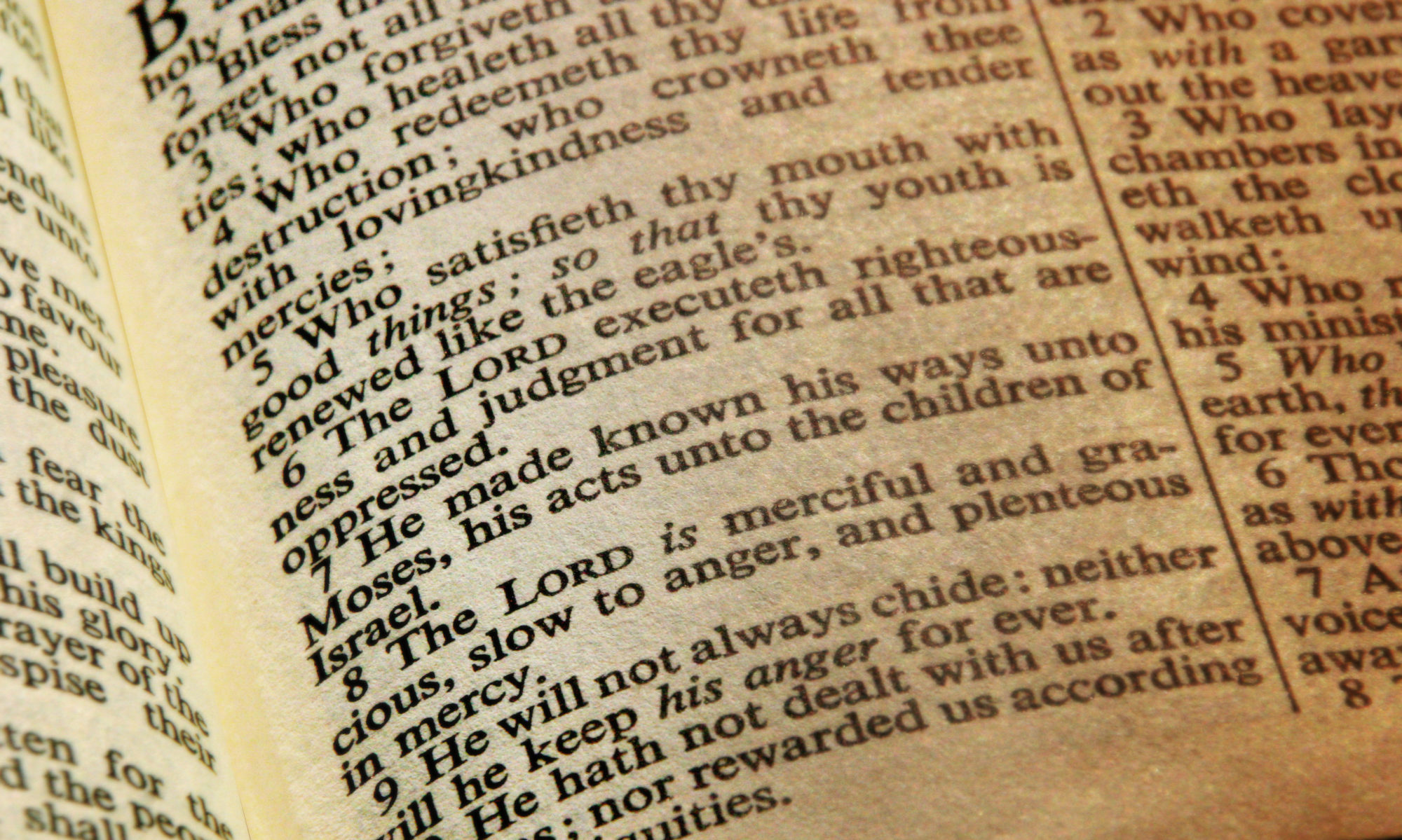
Surely he took up our pain and bore our suffering, yet we considered him punished by God, stricken by him, and afflicted. But he was pierced for our transgressions, he was crushed for our iniquities; the punishment that brought us peace was on him, and by his wounds we are healed. We all, like sheep, have gone astray, each of us has turned to our own way; and the LORD has laid on him the iniquity of us all. – Isaiah 53:4-6

Jesus is willing, even to the cross. We also have the opportunity to be willing – we can cross the boundaries of culture, of socioeconomics, of comfort. When we do so, Jesus is willing and will bring healing in. Jesus is willing. Are we?

— Sermon Notes, Dave Sim, Renew Church, Lynnwood WA, August 25, 2024

Images created with Midjourney.

Bethesda – John 5:1-9

Think of something that you have been struggling with for a long time – maybe a sin or temptation, a pattern of behavior, a bad habit or addiction, a hurt, a painful memory, resentment. Something you wish God would heal but over the years He has not.

We’ve all likely heard that there are three answers that God gives to prayer – yes, no and wait. But sometimes that knowledge does not help. It seems like we’ve been waiting for so long for something that would be objectively good. Why wouldn’t He do it?

There is no formula to getting our prayers answered – if there were, we’d all be following it. But God is a person, not a vending machine. He asks us to trust him – on good days, on bad days, in crises, in peace.

We have this example in the man in this story, paralyzed for 38 years, seeking healing from this supposedly magic pool. The specifics of the angel coming down are not in the earliest manuscripts, but were likely added to clarify what the man says later.

This is from the Book of John, the one gospel where the city is Jerusalem looms largest throughout the book, rather than only at the end. The indications of different Jewish festivals help the Jewish people across the world place the stories in time and cultural context. The book of John also focuses on Jesus’ interactions with other people, and this one is notable.

We don’t know how long this man has been waiting, but it seems to have been a long time. We can imagine him younger and more hopeful, pushing and jostling to get to the pool first, and failing time after time. Eventually he gives up, and while he stays in the area he has resigned himself to the fact that he will never be first. Proverbs says “a hope deferred makes the heart sick,” and we can see that this man’s heart is sick.

Jesus steps into this story of scarcity and offers abundance. God wants healing broadly not just to those who get somewhere first. But first he asks a piercing question: “do you want to be made well?”

The man does not say “yes”. Instead, he just shares why it’s impossible, why “it is what it is.”

But that’s not what Jesus asked. That’s not where Jesus wants him to direct his gaze. Not at the superstition of the pool, but the face of Jesus. And Jesus is validating the desire that this man has almost forgotten that he has. Our desires find their root in who God made us to be. They may be misplaced or diverted to incorrect or inappropriate things, but God wants to fulfill the core of our desires, just like in this case.

So where are the gathering pills beneath the colonnades in your life? Where are at sitting on our mat, waiting out the hours but having largely given up.

And maybe it’s not even in your life. We are surrounded by needs and unanswered prayers in our own community and in the global community ended moreso. Where do we step in and how do we make those decisions? We can’t have all the answers, but we can trust that God’s power is abundant, sufficient for both the great problems of the world and our small sins and hurts.

— Sermon Notes, Dave Sim, Renew Church, Lynnwood WA, August 18, 2024

Images created using Midjourney.

Healing Unlooked For – Mark 3:1-6

At this point in Jesus’ ministry he is beginning to become well known in the area, and that means he is beginning to gain the attention of the religious authorities. They see him as a threat and so in this story set out to trap him.

Jesus, though, cannot be tripped or trapped. He knows the hearts of everyone involved, and is specifically ready to go address the misuse and abuse of scripture especially around the nature of the sabbath.

This story of Jesus’ healing is very different than the most of them. They typically are very personal situations, but this one is very public and almost political.

One way it is different is that unlike most other people Jesus had healed is that the man with the withered hand never actually asks for healing. He does not appear to be in desperate straits the way most do in these stories. But this story gives no indication that this man, who tradition holds was a stonemason, actually needed healing in the way most people healed by Jesus did.

Instead, it appears that this man was simply going to synagogue like an the others, possibly there specifically to see and learn from Jesus. When he arrives, though, he and his disability are being used by Jesus’ enemies to further their own ends.

But Jesus ends up flipping things around – he calls the man to stand forth, this man who had not asked for any of this, who was just there for synagogue. And the man obeys, despite what was very likely deep discomfort. He stretches out his withered hand, even though it was likely embarrassing and a source of shame in that culture.

And when he obeys, he receives a gift unlocked for, while Jesus challenges the preconceptions, the authority and abusive nature of those who had tried to trap.

So when we come to sit at the feet of Jesus, can we also do so without any expectation? Can we go simply to be taught and live in His presence, whether at church or throughout our daily life? If we do, we may find healing we did not expect or even realize we needed.

— Sermon Notes, Alison Robison, Renew Church Lynnwood, WA, August 11, 2024

Jesus Heals an Ear – Luke 22:47-53

This is a story of Jesus healing someone that does not get as much attention, primarily because it comes in the story of the Crucifixion with so many other things going on. But it is worth close attention because it tells us a great deal about who Jesus is.

Just before this story, Jesus took the disciples from the Last Supper to the Garden of Gethsemane on the Mount of Olives. This is a place he took them often, it says, but this time is different. With the Crucifixion looming, Jesus felt intense anxiety – so much so that he sweat blood. This is a reminder that Jesus was human, that he experienced all the emotions of Inside Out 2 and more. But we also read in the passage that Jesus was ministered to by angels when he prayed.

Meanwhile, the disciples had fallen asleep during this intense time of prayer. Jesus warns them to be alert (which is good advice for us, as well). And then shortly after that, his friend Judas arrives to betray him with a kiss. Jesus has every reason at this point to break down, and most of us would have.

Just before this, Jesus had instructed his disciples that a time of change was coming. “If you don’t have a sword, sell your cloak and buy one.” The disciples eagerly show him that they already have two swords, but Jesus response implies he was (as often happens) being metaphorical.

So then we see Peter use one of those swords violently – apparently ready to go down in a blaze of glory because he has absolutely no skills here, as indicated by the fact that he cut an ear rather than anything vital. But Jesus has every reason so be angry, every reason to lash out in the same way, but with infinitely more effectiveness. But even more within the bounds of his mission, he still has every reason to leave his enemy writhing there on the ground.

Instead, he kneels down and heals the man who came there to arrest him. This is a picture of how we are called to be, even in the midst of enemies who seek our destruction. Jesus taught his disciples to love their enemies, and now he shows them exactly what it looks like. We are called to the same.

We don’t know exactly what happened to Malchus next, but the fact that he is named implies that he may have become a Christian, known to the early church who Luke wrote this account for. Likewise, we never know if our loving actions towards our enemies will bear direct fruit or not, but our call is to create those opportunities by following the lead of our savior.

— Sermon Notes, Dave Sim, Renew Church, Lynnwood WA, August 3, 2024

Resurrection Life – Why are You Looking at Heaven? – Acts 1:4-11

It is not for you to know

We get a sense of impatience among the disciples in this passage, and like much impatience it may have stemmed from fear. The disciples had been looking forward to Jesus as Messiah overthrowing Rome’s rule over Israel – Jesus’ death derailed that plan briefly but now things seem like they should be back on track, but over the 40 days from His resurrections He hasn’t made any kind of move in that direction. So naturally, they are getting impatient. What’s the plan?

Here, they ask about this directly, and Jesus’ answer is critical to understand: “It is not for you to know.” We all want answers and a clear understanding of our place in God’s overall plan. But Jesus’instruction is to wait. We hate that!

But there is a promise coming – the Holy Spirit will come, and the disciples will be witnesses. That is ultimately the story of Acts, which is an active, mission oriented book, but that starts with the leader of this new movement disappearing and telling his followers to sit tight.

And so they stand there looking at the sky feeling confused and maybe frustrated. Then along come two angels, much like the scene at the tomb that Luke also described. They promise that, even if the details are hidden, Jesus would return. Their task was first to wait and then to be His witnesses.

We are called to the same – we are not just biding our time until heaven. God has set a plan in front of us and a purpose on this earth. We aren’t meant to simply stand and gaze at heaven, huddled together with like minded people and waiting for the second coming. We are called to be witnesses. There is work to be done!

The church is supposed to be the collective witness of the Good News to the world. We are not here to calculate the times and seasons, to seek and predict the next big change. We are called into the streets and homes and lives of those around us, the nitty-gritty of life. Gaining and losing, loving and mourning, succeeding and failing – we are to be witnesses amongst all of it.

But when we do find ourselves standing around looking at the sky, when we do feel lost or impatient, we have instruction here too: wait. Rather than jumping to whatever seems right in our own mind, Jesus instructs us to wait.

Waiting on God’s spirit can be challenging but it is a fundamental part of building a relationship with God. God’s timing is perfect, even when it differs from our own expectations or desires.

Let us be a people who can wait on God’s timing, and be His witnesses.

— Sermon Notes, Dave Sim, Renew Church, Lynnwood WA, May 12, 2024

Resurrection Life – Listening to the Spirit – Acts 10:44-48

What does it mean to be led by the Spirit? Jesus promised the Holy Spirit would come and instruct the disciples after He ascended into heaven. The Holy Spirit is the real time presence of God working and and through us to do His work in the world. This passage gives us an example of this.

Christianity began as a sect of Judaism. At the time, Jewish religion, ethnicity, culture and language were all very tightly tied together, so the early movement of gentiles into the sect of The Way, it created tension. Many of the Jewish Christians considered these converts to still be outsiders.

This tension is addressed head-on in Acts 9 and 10. In Acts 9:8, Saul, who had been persecuting the church, is blinded after ‘seeing’ Jesus. Meanwhile, the Christian man Ananias has a vision telling him to go to Saul. In 9:18 after ministering from Ananias, scales fall from Saul’s eyes and he is baptized. Then in 9:40 we get the story of Peter raising a little girl from the dead. He says “Tabitha, get up.” She opens her eyes, and seeing Peter she sits up. Then in Acts 10 wet get Peter’s vision that leads him to understand that the gentiles are loved by God and that “God does not show favoritism” even to His chosen people. This is a key pivot point for the Church that ultimately transformed it from a sect of Judaism into the global body of believers it is today.

We have those same transformational moments in our own lives, where the paradigm we have operated by is disrupted and overturned by the Holy Spirit. Consider Peter, looking at this collection of unclean animals, age being told to eat, against a thousand years of culture and religion. Consider him entering the house of gentile, uncircumcised Cornelius, and sharing a meal.

What would be similarly kind blowing today? What could the Holy Spirit do today that would be a similar paradigm shift? On the one hand we must be alert to people claiming the leading of the Spirit, and use the boundaries of scripture, tradition and the discernment of the community. At the same time, we must be open to be challenged in church – church is not only able feeling safe.

So we must find ways to listen to the Spirit and listen to those around us but who may be moved by the Spirit. This takes trust and patience, but the more that we grow in that practice is spiritual formation and discernment, the more we can accomplish for God. The Spirit is moving and speaking all the time, if we are open to listen.

— Sermon Notes, Dave Sim, Renew Church, Lynnwood WA, May 5, 2024

Resurrection Life – Philip and the Eunuch – Acts 8:26-40

This is a story of God pulling Philip out of his standard routine. Philip has been preaching in Samaria and has just had his ministry blessed by Peter and John. But now God calls him away to a completely different place, the road from Jerusalem out to Gaza, where he meets an Ethiopian official.

The official had been castrated as many were in order to keep their full attention. He also must have been either a convert to Judaism or someone curious about it because he was reading Isaiah, specifically chapter 53, the “suffering servant” passage that is one of the clearest prophecies of Christ.

The passage may have had special resonance for him, especially the line “In his humiliation he was deprived of justice. Who can speak of his descendants?” As someone bodily humiliated, someone who would have no descendants, he wants to know more about who is being discussed here.

Given this perfect setup, Philip spikes the ball and walks the Ethiopian through the story of Christ, and he immediately jumps to wanting to be baptized in a pool they just happen to be passing.

For some additional context, this comes shortly after some trouble in Jerusalem where the Greek-speaking widows were being overlooked by the Aramaic-speaking church leadership who then put in place Greek-speaking deacons, of whom Philip was one. The apostles were “oo busy teaching and preaching to” wait tables” so they put in place these deacons to work out the logistics. But then the next two chapters are all about two of these deacons teaching and preaching! Stephen becomes the first martyr and Philip gets teleports all over.

This is a story of the Holy Spirit pushing on our human boundaries. God wants us to move beyond our central comfort zone, to leave our holy huddle and get out on the road to Gaza.

We are called to live a Spirit-Led Life. The Holy Spirit continues to work powerfully today, but at do need to work the muscles that He wants us to use.

But beware, the spirit filled life can take you off track, disrupting your plans and putting you in an entirely different place and directions.

This may happen through timely and crucial interactions. Philip never saw the Ethiopian again, but tradition holds he went on to found the Ethiopian church, among the oldest in the world.

This happens because God has been working ahead of time, moving eunuchs to investigate the Jewish religion and page through Isaiah.

The Holy Spirit will prompt you to push to the margins and boundaries, which means we must practice listening and trying.

God is calling people from the ends of the earth and we all have roles to play in that great work.

— Sermon Notes, Dave Sim, Renew Church, Lynnwood WA, April 28, 2024

Road to Emmaus – Luke 24:13-33

This story comes on the same Sunday that the women discovered the empty tomb. The angst and wonder and confusion was still incredibly fresh. This pair of disciples – possibly husband and wife – were trying to sort through their grief and confusion over the course of seven miles. If it was Cleopas and his wife, she had just seen Jesus on the cross alongside his mother and others.

One question, though, was why they didn’t recognize him? He certainly looked differently than he did the last time they saw him, suffering on the cross. It’s always difficult recognizing people out of context. Also, if they had been expecting a resurrection, then they would have been expecting something much grander than just a quiet stranger on the road. But there is a supernatural aspect of this as well, with them being prevented from recognizing him.

One possible reason is to let Jesus directly address the loss of hope that the pair were experiencing. “We had hoped that he was the one who was going to redeem Israel.” They are clearly teetering on the edge of despair, while still focused on an expectation of political revolution.

And so Jesus, still unrecognized, begins to teach. He walks them through the whole Old Testament, no doubt familiar to them, but weaving the story of the messiah and the gospel through it all. This new event was not the end of the Old Testament, but the fulfillment.

Something in his teaching led them to invite him to join them for a meal. When he broke the bread at their invitation, their eyes were open and they saw Jesus for who He was. There are many angles to take here, all of them beautiful.

When we sit down at a table together and break bread, we are better able to see Jesus for who He is. When we engage in community, His face becomes clear.

And of course they had very recently seen Jesus break bread at the Last Supper – this was His body, broken for them.

And then, he dissappears! This is making it clear to the disciples that Jesus will not be interacting with his disciples in the same way that he had before, or that they would expect. We run into this as well, with our own expectations of how Jesus will show up and how God will demonstrate His love.

Can we feel the love of God through struggles? See Jesus in the face of someone we dislike? Hear the words of Christ in the mouth of someone we are in conflict with.

This story is also a reminder that the scriptures all by themselves do not do the work of God. In fact, the Bible has often been used to justify oppression and sin. It is when Jesus works through the scriptures that His will is done. It is when we hear the scriptures through the lens and person of Jesus that we get real truth and real power.

And so they leap up from their unfinished meal and immediately head back to Jerusalem, even though it is already night. They have a word of hope to share with those who need it and they do not wait around to share it. Can we do the same?

Is there an area of your life when you were expecting God to show up, where you may need to pray for your eyes to be opened to see his He is working in ways that you may not expect? And when you see it, will you run to tell others?

— Sermon Notes, Alison Robison, Renew Church, Lynnwood WA, April 14, 2024

The Perplexing Resurrection – Luke 24:9-12

We’ve just wrapped up a series going through the book of Mark, ending on Easter with Mark’s rather abrupt finale. We’ll now pick up the story as told in the gospel of Luke.

One thing to note is that the two accounts of the resurrection have some differences. In fact, all four of the gospel accounts of the resurrection have differences – which women went to the tomb, what angels were there, where was the stone, things like that. It’s important to understand that there is one true gospel story and four different accounts of it. Each author noted different things and considered different things important for them to include or highlight. It’s left to us as a puzzle to put together.

That mirrors the confusion that we see in the story itself. The women are perplexed, Peter is wondering or marveling. That wonder, that confusion, that questioning is the first step towards understanding. This is why children ask so many questions – so let us come as little children, wondering and marveling even, maybe especially, when we are confused by events or what God has to say.

Asking these questions puts us in a position of humility, which is one of the reasons it can be hard for us to do as adults. Even Jesus, when taking the ultimate posture of humility on the cross, asked His Father “why?”

Sitting in wonder and questioning together can be a holy thing. When we want to put out simple answers instead of living in the question, it can lead us to race ahead to wrong and even harmful conclusions. Life is not a race to get to the right answer first.

While there is value in answers, in truth, knowledge and understanding, but there is also value in the process in that direction.

Back to the story – the women were perplexed. Paul used the same Greek word in his second letter to the church in Corinth:

But we have this treasure in jars of clay to show that this all-surpassing power is from God and not from us. We are hard pressed on every side, but not crushed; perplexed, but not in despair; persecuted, but not abandoned; struck down, but not destroyed. We always carry around in our body the death of Jesus, so that the life of Jesus may also be revealed in our body.

2 Corinthians 4:8-10

The word “perplexed” in both places is aporeō, and the contrasting word “despair” is exaporeō. So while we can live in confusion, questioning and wonder, if we keep ourselves focused on the person of Jesus, we can avoid despair. The women and disciples were confused, but they were looking for Jesus – and Jesus eventually found them.

Are you in a place where you don’t have answers? Are there those around you? Don’t race ahead to find pat answers, and don’t veer off course to despair. Instead, be ready to live in the questions while seeking the ultimate Answer to all our questions.

–Sermon Notes, Alison Robison, Renew Church, Lynnwood WA, April 6, 2024

Lavish Love – Mark 14:1-9

This is a story of someone unafraid of demonstrating her love lavishly and publicly. It comes on the heels of strenuous questioning from both the left (Saducees) and the right (Pharisees). That section wraps with a positive discussion of the two greatest commandments – love God and love others, the vertical and the horizontal.

That’s the context of this story. It’s something, that, if it happened today, we would likely respond in similar ways. “That’s too much,” “that’s scandalous,” “that’s a lot of money.”

Both the teachers of the law and the disciples find problems with this, and in some ways it’s hard to blame them. They are, in some ways, trying to love horizontally. We certainly judge how other people spend their time and money, and we often could use our resources more wisely. But what all this misses is that Jesus is a person, and He does not call us into an efficient transaction that maximizes resource allocation – He calls us to a relationship with Him.

The whole chapter previous is about people challenging Jesus around rationality and doctrine. This woman steps into this and unashamedly demonstrates a single-minded purpose to lavish her love for Jesus, publicly and without calculation. The disciples are crunching the numbers, but she is overwhelmed with a desire to actively and abundantly love.

It ties back to the widow who gave all she had at the temple – born women gave all they had, and Jesus lifts up both women as exemplars of what we all should be (both men and women).

What does this look like for us? How do we move from a transactionally-based relationship to a love-based relationship? One way is worship, praising Jesus whether or not you are feeling it at any one moment. While our own personal styles will vary, we should worship in a way that takes its cue from this woman, unashamed and unworried about how others will see us.

Likewise in our private personal prayer and spiritual discipline, we can still be restrained, and the example of this woman calls us to a more open and lavish love for Christ in those moments as well.

And our love here should spring from the same well as this woman’s did – gratitude for all Jesus has done for us.

–Sermon Notes, Dave Sim, Renew Church, Lynnwood WA, March 10, 2024