We have been exploring what it means to live Christ-honoring lives outside the walls of the church building. It means internal growth and maturity, but it also means loving others. All church mission statements boil down to “love God, love others”.
And not just others who look like us, think like us, vote like us, live like us, we’re called to love all our neighbors. This is hard! Christ makes sure we know it’s hard – he instructs us, “be perfect as your heavenly father is perfect, ” but he also offers grace to us when we fall.
As Christians, we live in a tension as “resident aliens.” We are citizens of heaven, set apart by God – and yet we are in the world and called to minister to it and love those around us. This is a tension that feeds back on itself, though, because it is that very set-apart-ness, that love God has for us that spills out into the world through us.
1 Samuel 22 tells the story of David in the cave of Adullam – he has been rejected by Saul and is hiding out in a cave with his loyal followers. He is a stranger in his own the land, a fugitive and refugee within the kingdom he was destined to rule. But his response was not what we move expect – he gathered “all those who were in distress or in debt or discontented.”

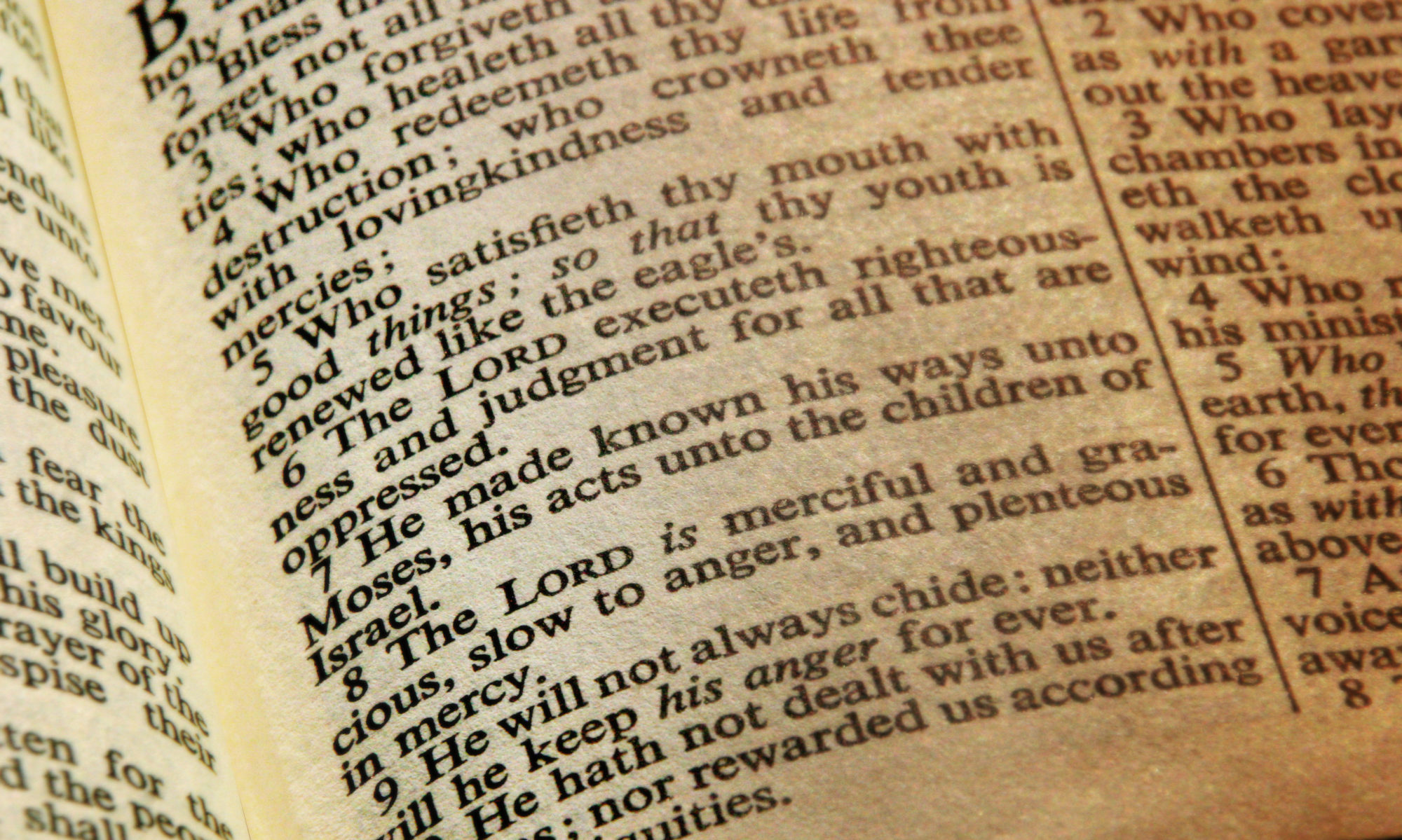
Peter references this experience, quoting from Psalm 34, which David likely wrote in that cave after having escaped from the Philistines as he sought to escape Paul.
Peter’s whole letter is an instruction to the people of God on how to live within an empire. He sets up Christians to live quietly subversive lives that worked within the pagan religious and sociopolitical framework of the Roman empire. He gives five words of instruction:
- συνφρονέω (synphroneō) – “Be like-minded”
- συμπαθής (sumpathes) – “Be sympathetic”
- άγαπάω (agapao) – Love one another
- σπλαγχνίζομαι (splagchnizomal) – “Be compassionate”
- ταπεινός (tapeinos) – “Be humble”
All of this points us to the life of Christ, in all its complexity, and we are to seek to live like him.
Then Peter gets to the verse probably most often quoted from this passage: “Always be prepared to give an answer to everyone who asks you to give the reason for the hope that you have.” This is often interpreted as a call for apologetics and an intellectual case for our hope. But if you look at the passage as a whole, it points us back to the words of unity, love, compassion and humility.
This passage is not about handling hostile questions from angry atheists, but about drawing people into wonder what is going on with us. It’s not about answers to the problem of evil or the historicity of scripture, but answers to questions about why we love so well, why we give so well, why we are compassionate to those others hate.
Are you living a life peculiar enough to make others ask questions about the hope that is in you?
The hardest thing Peter instructs us to do is be humble – in this age of social media it’s easy to instantly share your opinion, but it’s difficult to do that in humility. Can we live in that humility and unity? Can we walk in the tension of living in the world but not of it, as ministers of reconciliation? Can we remember where our hope truly lies?
We have an election on Tuesday and the outcome and aftermath are uncertain. What is certain is that God is still sovereign, that He still loves us and has a plan for His church. Let us rest in that knowledge and let it propel us to lives that point others to the reason for our hope.

— Sermon Notes, Dave Sim, Renew Church, Lynnwood WA, November 3, 2024
Images created with Midjourney.